


Sylphium eDNA qPCR detection kits are developed for accurate and reliable detection of environmental DNA (eDNA) of target organisms. Each assay is optimized to perform consistently, also in challenging environmental matrices that contain PCR inhibitors such as humic acids.
Each kit includes the latest Sylphium eDNA qPCR hot start mix, which is optimized for environmental DNA application and is validated for accurate target detection with strong fluorescence signals and low background noise.
All kits are compatible with major qPCR platforms, including Bio-Rad, QuantStudio, and Applied Biosystems systems, and are suitable for FAM dye detection on most modern qPCR instruments. They are optimized for use on eDNA isolates purified using Sylphiums Environmental DNA isolation kit (#SYL002), but also work on isolates purified with other eDNA isolation methods/kits.
32 products

SYL135
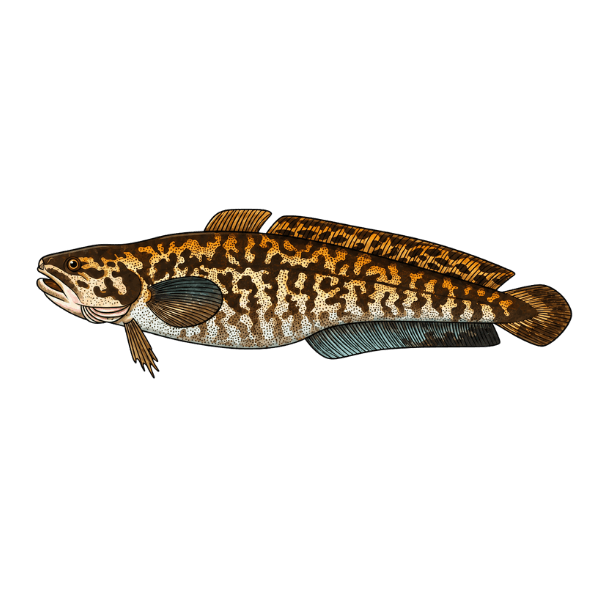
SYL115
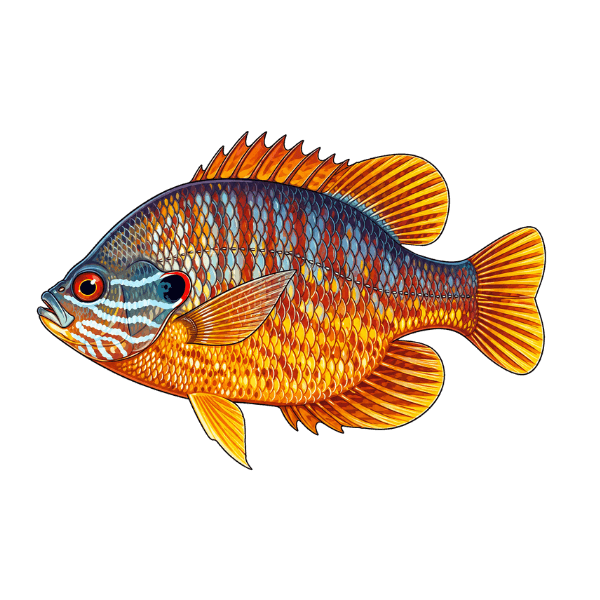
SYL101

SYL128

SYL104

SYL109

SYL116
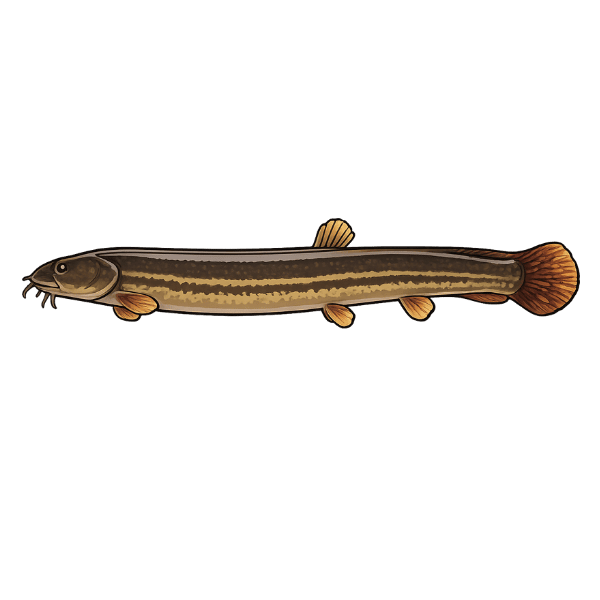
SYL159
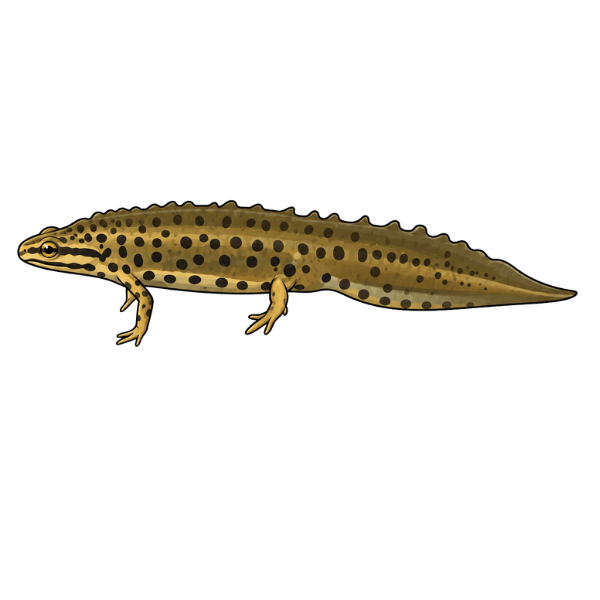
SYL149

SYL152

SYL114

SYL103
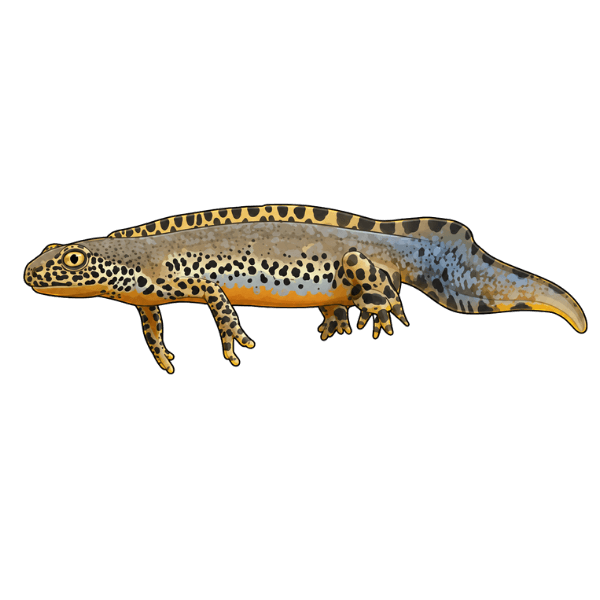
SYL166

SYL119
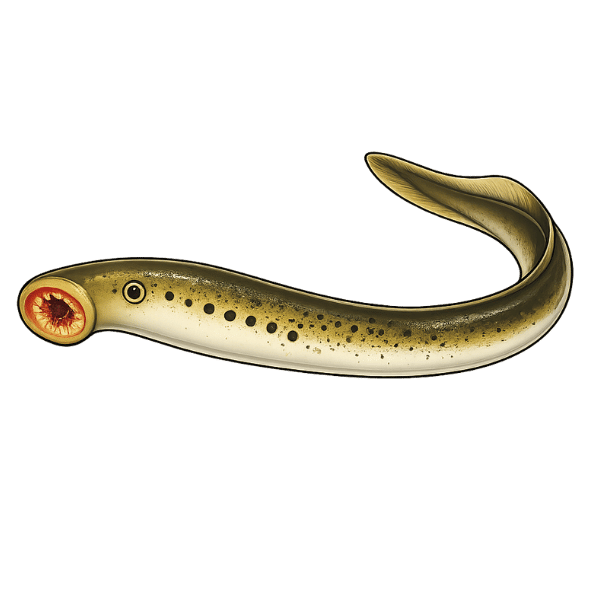
SYL144

SYL150

SYL152-1

SYL106
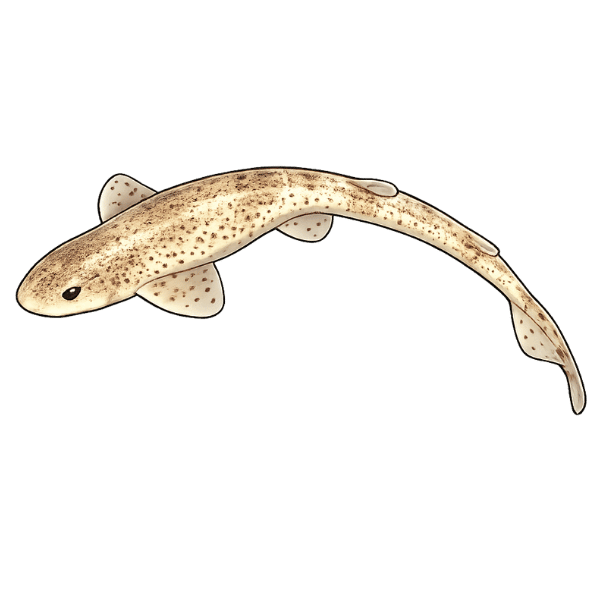
SYL175
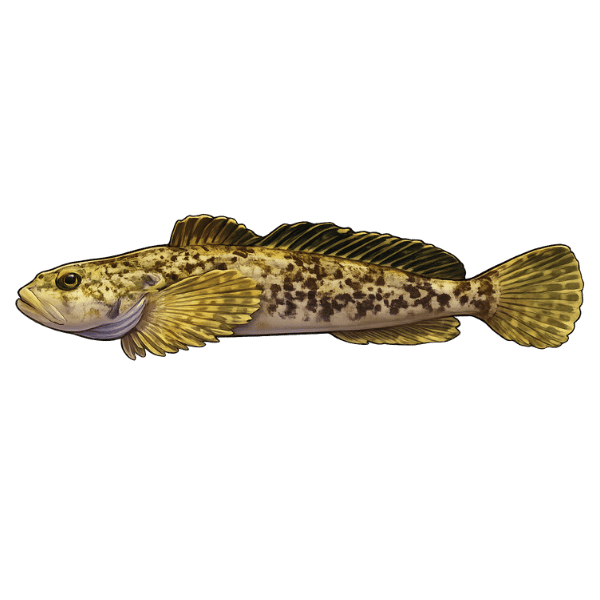
SYL143
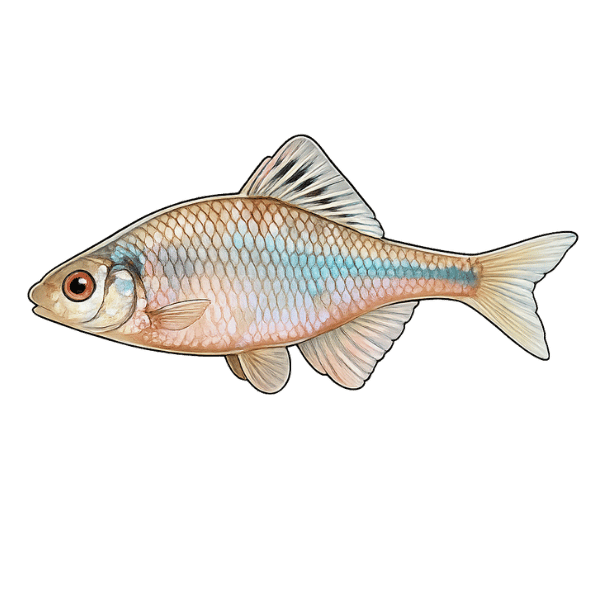
SYL111

SYL139

SYL168

SYL167
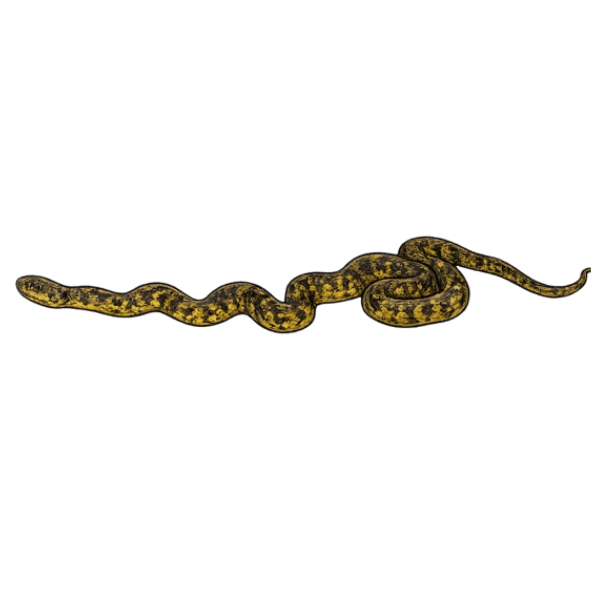
SYL127

SYL131
SYL102
SYL124
SYL122

SYL165

SYL164

SYL130
Why choose Sylphium qPCR detection kits?
- High resistance to inhibiting factors. Environmental DNA (eDNA) extracts often contain various substances that can inhibit qPCR. Standard qPCR mixes may be sensitive to these inhibitors.
- Strong fluorescence signal with low background noise. Environmental DNA extracts may contain naturally occurring autofluorescent compounds that can interfere with fluorescence measurements. A strong assay signal is therefore important to minimize the impact of background fluorescence.
- Highest possible sensitivity (1 DNA copy per reaction). Environmental water samples may contain only very small amounts of target DNA, making high analytical sensitivity essential.
- High specificity. Environmental DNA extracts contain billions of DNA fragments originating from bacteria, protozoa, plants, animals, and other organisms. During primer and probe design, not only closely related species must be considered; all available DNA sequences should be screened for potential nonspecific binding of the primers and probe.